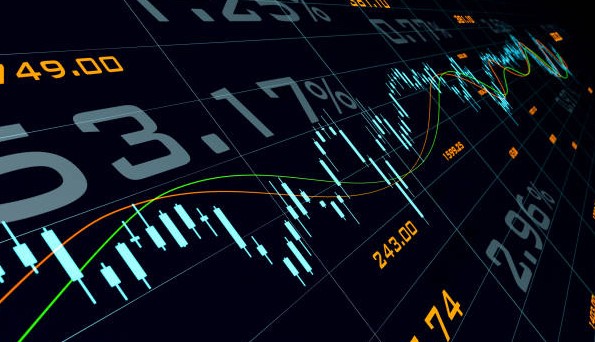
Trading is changing a lot because of technology. It’s like a big shift. Things are moving fast, and even a tiny moment can matter. Knowing how technology and trading work together is of utmost importance. Let’s dive into it and talk about a key player: Contracts for Difference (CFDs). These money tools, when used with a good broker, can change how investors deal with the ups and downs of financial markets. Work with experienced brokers distinguished in CFD trading. Broker-Breakdown can help you find the best Brokerage Options to maximize your full potential in the trading industry.
Riding the Technological Wave
In the heart of trading, technology is not merely a silent observer but an active participant. The fusion of algorithms, artificial intelligence, and real-time data feeds has birthed an era where speed is king. For traders, this means the ability to seize opportunities in the blink of an eye, and CFDs stand at the forefront of this revolution.
The Rise of CFDs
Contracts for Difference, or CFDs, are the trailblazers of modern trading. These financial derivatives allow investors to speculate on the price movements of various assets without owning the underlying asset. The magic happens in the contract itself, where the difference between the opening and closing prices is settled in cash. No need for ownership, storage, or cumbersome paperwork – just the pure essence of trading.
A Symphony of Technology and Trading: Finding the Right Broker
As technology takes center stage, the role of the broker becomes pivotal. Imagine technology as a finely tuned instrument, and the broker as the conductor orchestrating the melody of your trades. Let’s explore the key elements that define a strategic broker in this tech-driven trading landscape.
1. Cutting-Edge Trading Platforms
In the digital age, a broker’s trading platform is the gateway to the financial markets. The best brokers offer intuitive and robust platforms equipped with advanced charting tools, real-time data feeds, and seamless order execution. A user-friendly interface is not a luxury but a necessity, especially for those navigating the trading waters for the first time.
2. Risk Management Tools
Trading is not a gamble; it’s a calculated endeavor. A strategic broker provides risk management tools that empower traders to set stop-loss and take-profit orders, ensuring that losses are mitigated, and profits are secured. These tools, often integrated into the trading platform, are the guardian angels of prudent trading.
3. Educational Resources
Knowledge is power, especially in the world of finance. A broker committed to its clients’ success goes beyond the transactional aspect of trading. They provide educational resources, webinars, and market analyses to equip traders with the insights needed to make informed decisions. A symbiotic relationship emerges, where the success of the trader is intertwined with the success of the broker.
4. Responsive Customer Support
In the fast-paced world of trading, downtime is not an option. A strategic broker understands the value of responsive customer support. Whether it’s a technical glitch or a query about market conditions, knowing that assistance is just a click or call away instills confidence in traders navigating the unpredictable waves of financial markets.
5. Regulatory Compliance
Trust is the bedrock of the broker-trader relationship. A reliable broker operates within the bounds of regulatory frameworks, ensuring that your funds are secure and the playing field is level. Before embarking on your trading journey, it’s crucial to verify that your chosen broker is regulated by reputable authorities.
Amplifying the CFD Experience: A Synergy of Technology and Brokerage
The magic happens when CFDs and a strategic broker come together. It’s more than just a transaction; it’s a synergy that amplifies the benefits of CFD trading.
1. Leveraging Volatility with CFDs
The dynamic nature of financial markets often translates into volatility. CFDs thrive in this environment, allowing traders to profit from both rising and falling markets. The strategic broker ensures that you have the tools and resources to navigate these market fluctuations, turning volatility into opportunity.
2. Real-Time Market Access
Time is of the essence in trading, and CFDs, coupled with a tech-savvy broker, provide real-time market access. Whether it’s breaking news or sudden market shifts, the ability to act swiftly is a competitive advantage that can make a significant difference in the outcome of your trades.
3. Diversification Made Easy
CFDs offer a diverse array of assets, from stocks and indices to commodities and cryptocurrencies. A strategic broker facilitates seamless diversification, allowing you to spread your risk across different markets. This, coupled with advanced trading tools, empowers you to craft a well-balanced and diversified portfolio.
4. Harnessing the Power of Automation
Algorithms and automation are the secret weapons of modern trading. A strategic broker integrates algorithmic trading options, enabling you to execute predefined strategies without constant manual intervention. This not only saves time but also ensures disciplined and emotion-free trading.
5. Continuous Learning and Adaptation
The financial markets are a living organism, constantly evolving. A strategic broker recognizes the importance of continuous learning and adaptation. Through regular market updates, educational resources, and a finger on the pulse of technological advancements, they empower you to stay ahead of the curve.
READ ALSO: Neobanks : Entirely Digital Technology-Based Financial Services
Conclusion: Navigating the Future of Trading
In the symphony of tech-driven trading, where algorithms hum, and data flows like music, the role of a strategic broker cannot be overstated. Contracts for Difference (CFDs) emerge as the protagonists in this narrative, offering a canvas for traders to paint their financial success. As you embark on this exhilarating journey, remember that the right broker is not just a facilitator; they are your companion, guiding you through the complexities of modern markets.
Embrace the power of technology, leverage the versatility of CFDs, and choose your broker wisely. The future of trading is dynamic, and with the right tools and a strategic broker by your side, you are well-equipped to navigate its twists and turns.




 The range of financial information accessed by TPPs under open finance arrangements include financial services like pensions,investments, insurance and other financial products that help consumers expand and manage their financial assets and liabilities in one platform. That is regardless of where consumer assets are kept and located.
 Since open finance involves sharing of financial data, the first most basic requirement is consumer consent or authorization. The TPP could be a personal financial adviser, or an investment platform like a robo-adviser. TPPs use specific financial data when rendering services to a consumer, such as personalized financial advice, account aggregation, budgeting, investment and lending services.
 Financial technology was initially introduced as a computerized back-end system that banks used as support in the processing of financial transactions. However, developers of financial technology or fintechs, as they came to be known, gave more focus on developing computerized financial processing systems to expedite the delivery of
  On the other hand, banks and the industries that have adopted fintech solutions, were able to gain access to data analytics that gave them the capability to operate with increased efficiency.
 Fintech innovations gave rise to neobanks that can render faster and more accurate financial services without the need to have a physical location like traditional banks. The concept and operations of neobanks first originated in Germany and the United Kingdom; providing mobile-first, digital
  While many regard neobanks as better than conventional banks, there are also concerns and constraints faced by neobank users.



 The world of cryptocurrency is fast, unpredictable, and constantly evolving. One of the latest trends that’s gaining attention in both finance and tech circles is crypto arbitrage software. In simple terms, it’s a tool that helps users buy cryptocurrency on one exchange where it’s cheaper, and then sell it on another exchange where it’s more expensive. The small difference in price creates a profit. This process, known as arbitrage, has been prevalent in traditional finance for years; however, with the rise of digital currencies, it has become more accessible through automation.
 As data breaches become nearly daily, the demand for cyber insurance has surged. Organizations from global corporations to small businesses seek protection against the fallout of ransomware, phishing attacks, and system intrusions. But as the market grows, so does the complexity of these policies—and the legal minefield that comes with them. Exclusions, vague language, and disputes over liability are common. For lawyers,
 See a financial advisor for tailored advice and help create a thorough financial plan.
 The Pyth Official website provides a comprehensive discourse about its critical role in supporting decentralized finance (DeFi) as a blockchain oracle providing timely and trustworthy data feeds. Pyth Network’s most crucial significance as a provider of accurate and reliable data is demonstrated in decentralized financial trading, smart contracts, cryptocurrency exchanges, and other
  Smart contract developers use scripts or codes in delineating the specific conditions that will trigger the self-execution of the contract. Once executed, a smart contract becomes irreversible and at the same time trackable in the blockchain platform.
 Yard improvement projects can add superb
 A loan origination technology is actually a system of processing a personal loan application up to fund disbursal with the help of Artificial Intelligence (AI). Instead of using the services of traditional banks that still struggle due to their use of outdated processing systems that rely on manual data entry, automated systems with AI technology help lenders arrive at faster and consistent loan decisions.

 A car accident loan is a form of financial assistance that typically arises whenever an individual involved in a
  Under the Fault Ruling, a car insurance company will be obligated to pay economic damages like medical and hospitalization bills, or non-economic damages like loss of income and other lost financial opportunities, only if there is strong and clear evidence that the driver being sued is at fault.